
Stargazing in Southern Utah This Spring 2026
Southern Utah is world-renowned for its dark skies and breathtaking landscapes, making it one of the best places in the U.S. to experience the cosmos. From stargazing adventures in St. George to the dramatic desert skies of Snow Canyon State Park and the awe-inspiring views at Zion National Park, spring 2026 offers clear nights, mild weather, and unforgettable celestial displays.
Stargazing Near St. George
St. George is more than just a gateway city—it’s a destination for night sky seekers in its
own right. Thanks to nearby protected lands and thoughtful dark-sky preservation, you
can step just outside of town and enjoy skies far darker than most urban areas. Resorts
like Black Desert in Ivins make it easy to combine luxury accommodations with direct
access to desert stargazing.
For the best experience, head north toward Snow Canyon State Park. Just 15 minutes
from downtown St. George, the park’s dramatic lava fields and sandstone cliffs frame a
sky ablaze with stars. Its close proximity makes it one of the easiest and most
accessible stargazing spots near St. George.
Stargazing in Snow Canyon State Park
Snow Canyon stargazing is some of the most magical in Southern Utah. The park is
known for its dark skies, unique geology, and striking red-and-black landscape that
glows under moonlight. Fall brings crisp, clear nights—perfect for catching the Milky
Way arching over the cliffs.
Tips for visiting Snow Canyon after dark:
- Choose a pullout or overlook away from headlights.
- Plan around the new moon for the darkest skies.
- Watch the western horizon after sunset for Mars or the eastern sky before dawn for Venus and Jupiter.
Stargazing in Zion National Park
Few places combine dramatic canyon walls and star-filled skies like Zion. While the main canyon has some light interference, areas like Kolob Canyons or the east side of the park provide darker, clearer views. Spring is a great time for both casual visitors and serious night sky photographers to take in the Milky Way as it arches back into view in April 2026. Rangers and astronomy groups often host programs throughout the season, offering guided viewing experiences.
Planets Visible in Spring 2026
The skies over St. George, Snow Canyon, and Zion will feature several bright planets this spring:
- Venus – The brilliant Morning Star, rising in the east before dawn throughout the season.
- Jupiter – Bright in the pre-dawn sky, positioned near Venus.
- Mars – Visible low in the western twilight sky.
- Saturn – Shines steadily later in the evening sky.
- Neptune – A faint blue dot visible with a telescope in pre-dawn hours.
Spring 2026 Night Sky Highlights
- April 4 – The Milky Way core becomes visible again after winter.
- April 22 – Lyrid meteor shower peaks with bright streaks across the sky.
- May 5 – Crescent Moon passes near Venus for an early morning pairing.
- May 26 – Total lunar eclipse (Blood Moon) visible across Southern Utah.
Best Times to View
- Evenings (April–May): The Milky Way and planets like Saturn dominate the night sky.
- Pre-Dawn: Venus and Jupiter shine brightly in the eastern sky.
- Overall: Spring evenings provide the first opportunity of the year to see the Milky Way after its winter absence.
Tips for Spring Stargazing in Southern Utah
- Arrive early to let your eyes adjust to the dark.
- Dress in layers—spring nights can still be cool.
- Use a red-light flashlight to preserve night vision.
- Time your visit around the new moon for the clearest skies.
Final Thought
Whether you’re watching the Milky Way arch over Snow Canyon, catching Saturn’s glow above Zion, or stepping outside in St. George, spring 2026 offers incredible celestial displays. In Southern Utah, dark skies aren’t just a backdrop—they’re a destination.
Other Blogs You Might Enjoy

Summer 2026 at Tuacahn: Broadway Show Lineup
Set against the red rock cliffs of Southern Utah, Tuacahn Center for the Arts is an outdoor performing arts venue known for its Broadway-style productions and concerts. Tuacahn offers a one-of-a-kind summer theater experience surrounded by stunning desert scenery.
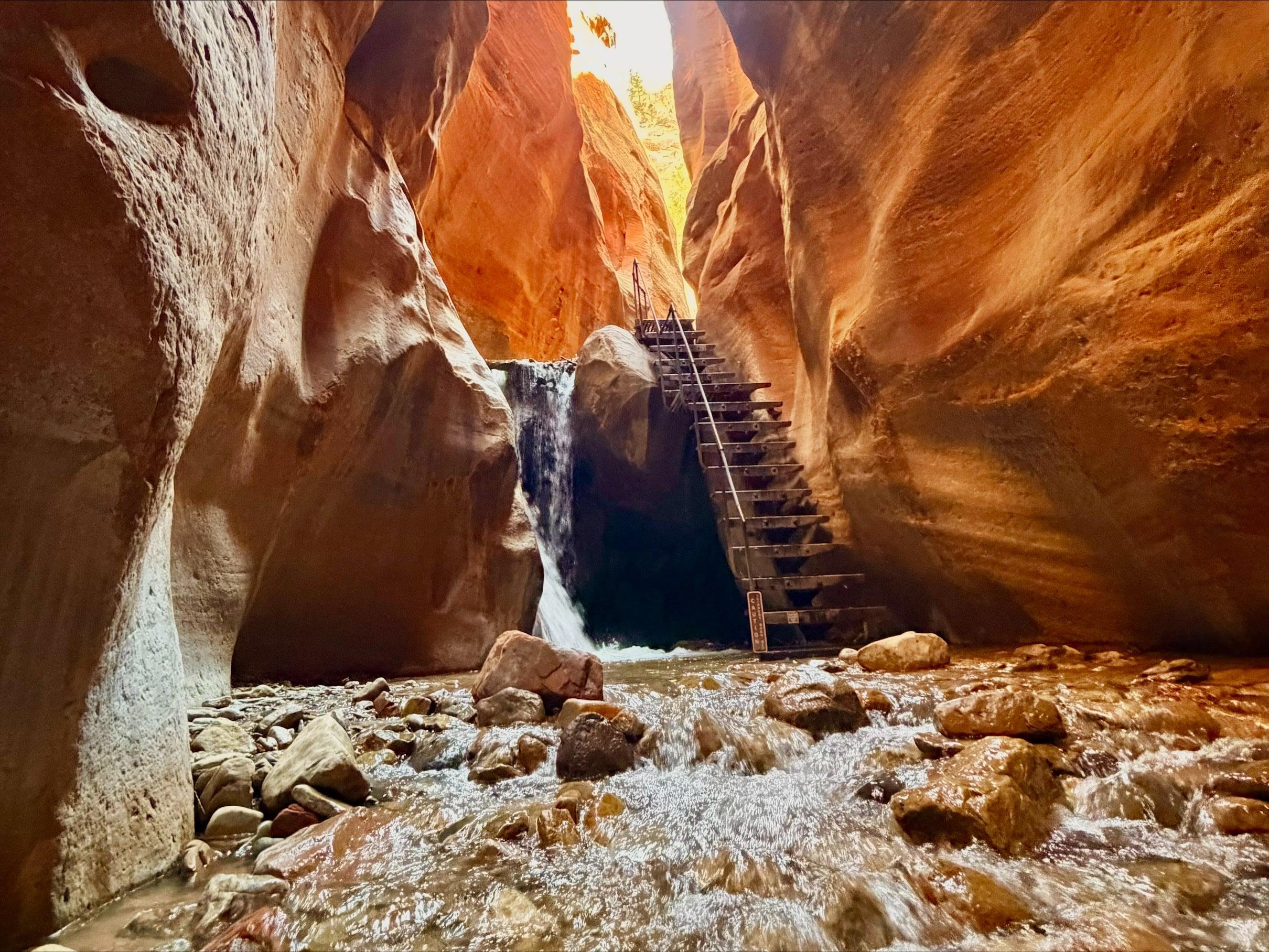
5 Summer Hikes to Beat the Heat Near St. George & Zion
Discover some of Southern Utah’s most scenic water hikes, from towering slot canyons and flowing waterfalls to refreshing creek crossings and unforgettable red rock views. Whether you’re looking for a family-friendly adventure or a more immersive trek, these trails offer the perfect way to cool off and explore the desert landscape.
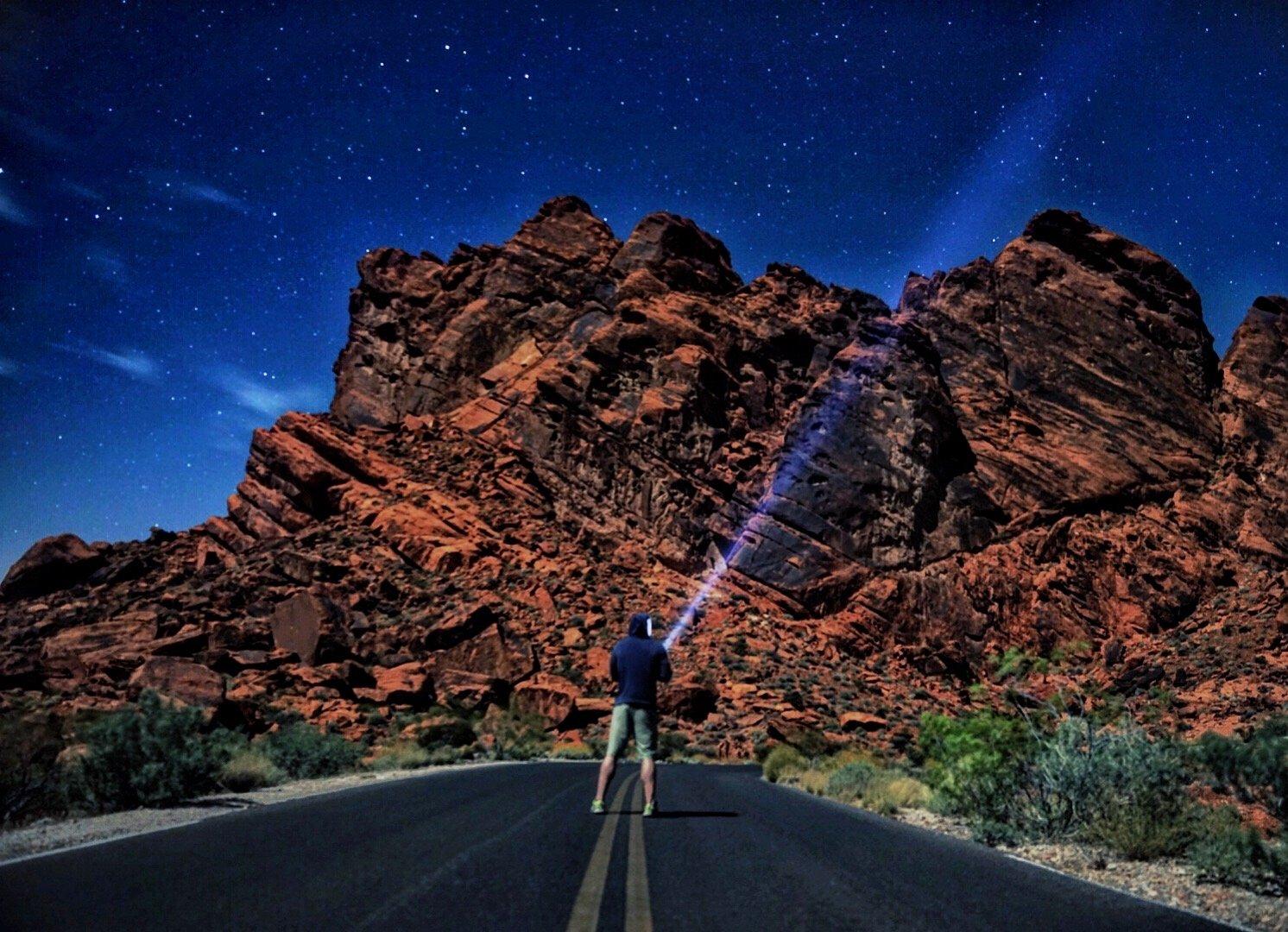
Tips and Tricks for Astrophotography in Southern Utah
Whether you’re a beginner with a smartphone or a seasoned
photographer, these tips and tricks will help you create breathtaking
astrophotography this fall.